
Fresh ideas for your home
How to Reduce Dust and Allergens Before Peak Allergy Season
Protect your family with these allergy season cleaning tips. Use damp dusting and HEPA vacuums to keep your DMV home fresh and healthy.
Published · Updated

5 minutes of estimated reading time
Living in the DMV area means bracing for a beautiful but pollen-heavy spring that often leaves families dealing with itchy eyes and constant sneezing. Taking the time to implement effective allergy season cleaning tips now provides a vital layer of protection for your household, ensuring your indoor environment remains a sanctuary despite rising pollen counts. Focusing on deep-cleaning before the season peaks helps minimize the frustration of indoor congestion for children and pets alike.
Focusing on often-overlooked spots can make a huge difference in breathing easier throughout the day. If the task of tackling every rug and filter feels overwhelming while managing a busy professional schedule, you can always contact our team for a professional deep clean to get a head start on a healthier home. Our local experts understand the unique challenges of Maryland and Virginia allergy seasons.
Request a cleaning estimate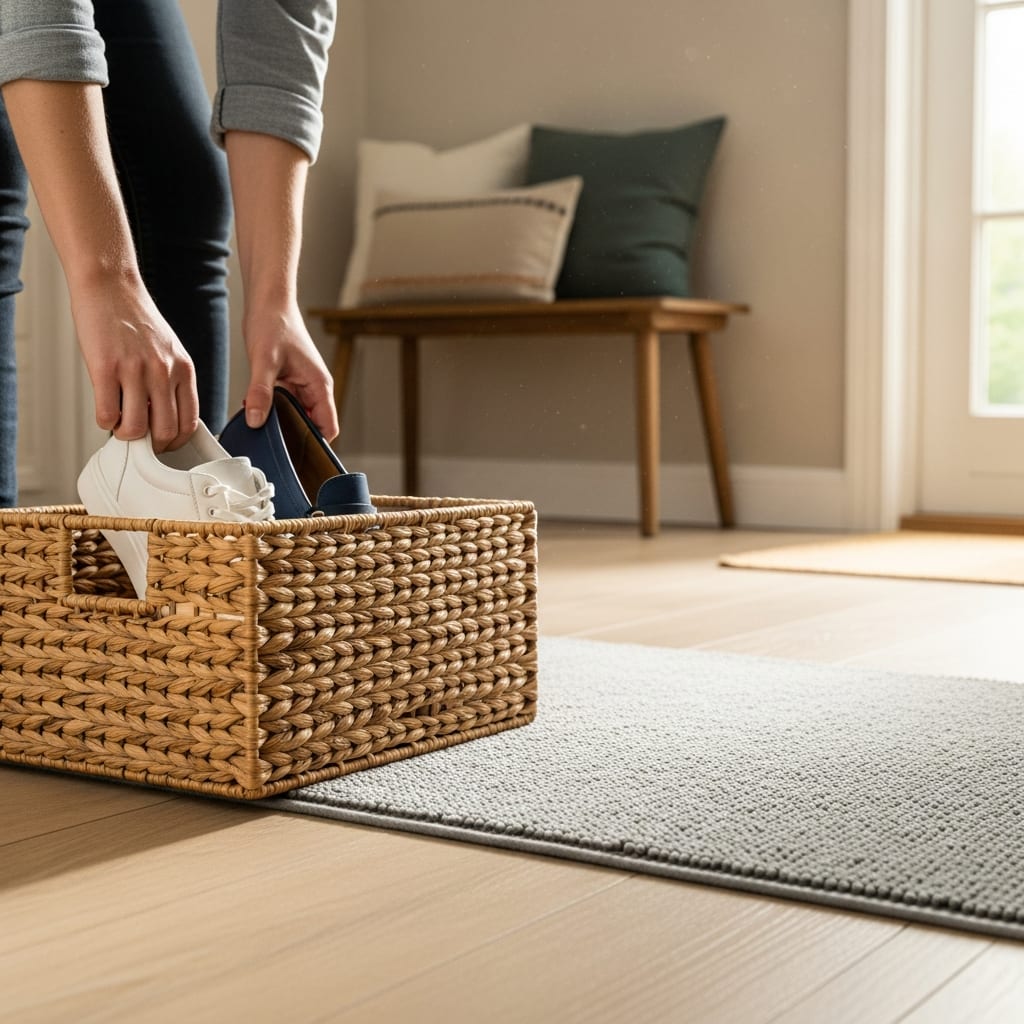
Essential allergy season cleaning tips for high impact zones
To see immediate results in your air quality, you must prioritize the “soft” surfaces in your home. Items like throw pillows, heavy curtains, and area rugs act as massive filters that trap pollen, pet dander, and dust mites. Unlike hard floors, these fabrics hold onto particles until they are disturbed by movement, sending allergens back into the air your family breathes.
A high-impact strategy involves washing all bedding and removable fabric covers in hot water at least once a week during the pre-season. Heat is essential for neutralizing allergens that cold water might leave behind. If you have decorative pillows that cannot be washed, consider using a fabric steamer or a vacuum with a specialized upholstery attachment to pull out deep-seated debris.
Clearing clutter from flat surfaces is another vital step in preparing for the spring transition. Piles of mail, magazines, or unused knick-knacks create hidden dust pockets that are difficult to clean thoroughly. By maintaining clear countertops and shelves, you reduce the surface area where dust can settle, making your daily maintenance much faster and more effective for symptom relief.
Upgrade your air quality by checking your filters today
Your HVAC system is the lungs of your home, and if the filters are clogged, it will circulate dust instead of removing it. Switching to high-efficiency MERV filters before the peak of the season provides 24/7 protection for your family. These filters are designed to capture microscopic particles that standard fiberglass filters often miss, significantly improving the overall indoor air quality.
In addition to changing the main filter, take a moment to vacuum out your floor vents and return air registers. Dust frequently sits just behind the grates, and as soon as the air turns on, those particles are pushed directly into your living spaces. Using a narrow vacuum nozzle to reach into these ducts can prevent a sudden surge of allergens when you switch from heat to air conditioning.
While the spring breeze in Maryland and Virginia can be tempting, keeping windows closed on high-pollen days is a simple habit with massive benefits. Even if your home feels a bit stuffy, relying on your filtered HVAC system prevents outdoor allergens from coating your furniture. You can check local pollen counts online to determine which days are safe for a quick airing out of the house.
Master the art of damp dusting to trap particles
Many homeowners make the mistake of using dry cloths or feather dusters, which often just stir particles into the air. The secret weapon for allergy sufferers is damp dusting. Using a microfiber cloth that is slightly dampened with water or a mild cleaner allows you to physically trap the dust onto the cloth rather than pushing it around.
Following a top-to-bottom cleaning rule ensures that your efforts are not wasted. Start with ceiling fans, light fixtures, and the tops of bookshelves, allowing any disturbed particles to fall to lower levels. By finishing with the floors last, you capture all the falling dust in one final pass, leaving the entire room significantly cleaner and safer for sensitive noses.
When it comes to floor care, always use a vacuum equipped with a HEPA filter. Standard vacuums without these filters often exhaust fine dust particles back into the room through the rear vent. A HEPA-certified machine ensures that once the dust is sucked up, it stays inside the canister, protecting the air quality for everyone in the household.
NEED HELP? GET A FREE QUOTE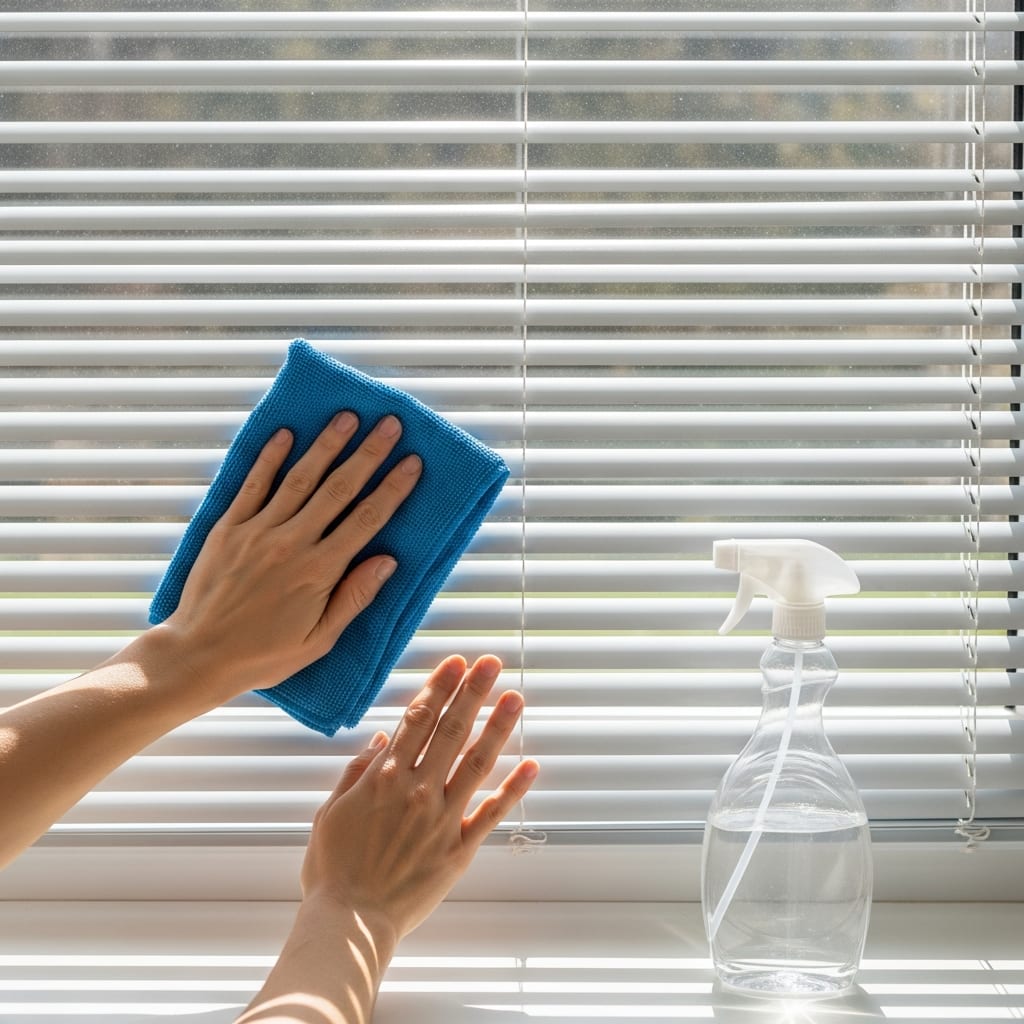
Keep the outside world at the door with a smart entryway routine
Most of the allergens in your home are actually carried in from the outside on clothing and shoes. Establishing a strict “shoes-off” policy at the front door is one of the best allergy season cleaning tips for maintaining a clean interior. By leaving footwear in a designated mudroom or basket, you stop pollen and lawn chemicals from being tracked into your carpets and rugs.
Using a double doormat system provides an extra layer of defense for your entryway. Place one heavy-duty mat outside to scrape off large debris and a secondary microfiber mat inside to catch finer dust particles. Frequent cleaning of these mats is essential, as they can quickly become saturated with the very allergens you are trying to keep out of your living spaces.
Do not forget that pets are major carriers of outdoor pollen and mold spores. Wiping down pet paws with a damp towel after walks prevents them from transferring allergens to your sofa or bed. Integrating these small steps into a five-minute daily reset ensures that the hard work you put into deep cleaning your home isn’t undone by a single trip to the park.
Don’t forget the hidden allergens in your window treatments
Window treatments are often ignored during routine cleaning, yet they are the first point of contact for incoming air. Blinds and shutters should be wiped down with a damp cloth to remove the sticky film of pollen that often accumulates. For heavy drapes, using the brush attachment on your vacuum can pull out dust that has settled deep within the fabric folds over the winter.
The window sills and tracks are common areas where condensation and pollen mix to create a grimy residue. Cleaning these tracks with a small brush and a damp cloth prevents mold from forming and stops dust from blowing inside when you do decide to open the windows. Keeping these “transition zones” clean is a vital part of a comprehensive allergen-reduction strategy.
Lastly, ensure that your window screens are part of your seasonal maintenance. Screens act like a mesh filter, catching large debris but also holding onto fine yellow pollen. Hosing them off outside or using a vacuum with a soft brush attachment can significantly reduce the amount of dust that filters into your home whenever a breeze passes through.
Establish a weekly maintenance rhythm to stay ahead of pollen
Consistency is the key to preventing allergen buildup once the peak season arrives. Setting a fifteen-minute “allergy sweep” every weekend allows you to touch up high-traffic areas without it feeling like a massive chore. Focus on quick tasks like damp-wiping the kitchen counters, vacuuming the main entryway, and swapping out bathroom towels to keep the home feeling fresh.
There is a significant psychological benefit to living in a clean, sneeze-free sanctuary. When your home feels organized and the air feels light, the stress of the allergy season becomes much more manageable. Creating a space where you can retreat from the high pollen counts outdoors allows your body to recover and ensures better health for your entire family.
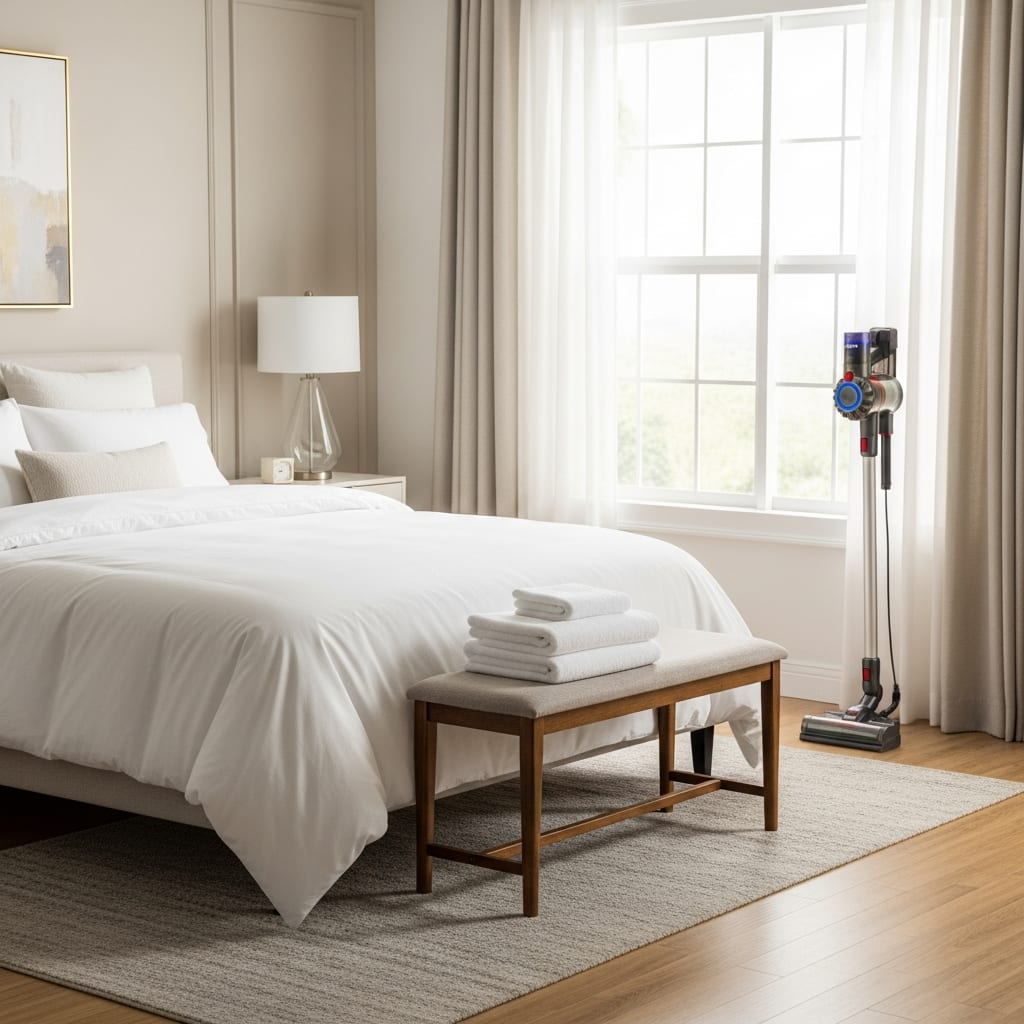
If you have limited time, always prioritize the bedrooms for your most intensive cleaning efforts. Since we spend about a third of our lives sleeping, ensuring that the air in the bedroom is free of dust and dander leads to better rest and fewer morning symptoms. A clean bedroom is the foundation of a successful allergy-prevention routine during the busy spring months.
Need help? Fresh Home Cleaning is here to help you breathe easier
At Fresh Home Cleaning, we understand that balancing a demanding career and family life in the DMV area leaves little time for deep-cleaning every corner of your home. Our family-owned team has spent over 15 years helping neighbors in Montgomery County, Frederick, and Northern Virginia reclaim their time and their health. We know exactly where allergens hide and how to remove them safely and effectively.
Whether you need a one-time seasonal deep clean to kick off the spring or a consistent weekly maintenance rhythm, we offer flexible services tailored to your household’s specific needs. From high-HEPA vacuuming to meticulous damp-dusting of blinds and baseboards, our professional touch ensures your home remains a comfortable haven for your children and pets all year long.
Contact our team today at (301) 519-8035 or visit our website to request a free quote. Let us take the stress out of allergy season cleaning, so you can enjoy more of the beautiful spring weather without the indoor sniffles!
Request a cleaning estimateHelpful answers
Frequently asked questions
What is the best time to start a deep clean before the pollen count spikes in the DMV area?
Timing is critical for families in Maryland and Virginia. Ideally, you should begin your intensive allergen-reduction routine roughly two to three weeks before the local trees and grasses start blooming. This early start allows you to clear out the heavy dust that accumulated during the closed-house winter months without the added pressure of active pollen entering every time you open the door. By the time the peak season arrives, you are simply maintaining a clean environment rather than fighting an uphill battle against fresh allergens.
How can I tell if my indoor air quality maintenance is actually working for my family?
You can typically gauge the success of your cleaning efforts by observing your family’s comfort levels during the evening and early morning. If symptoms like congestion or itchy eyes seem to decrease specifically while inside the home, your allergen-reduction strategies are likely working. Another physical sign is the rate of visible dust buildup on dark, hard surfaces like coffee tables or TV stands. If these surfaces remain clear for several days after a thorough damp-wiping, it indicates that your air filtration and entryway controls are successfully keeping particles at bay.
What are the most common mistakes when cleaning for pollen relief at home?
One of the most frequent errors homeowners make is forgetting to address the hidden dust on the top of high surfaces, such as kitchen cabinets or door frames. Even if you clean eye-level areas perfectly, gravity eventually pulls those higher particles down into your breathing zone. Another mistake is using scented or harsh chemical cleaners that can irritate sensitive respiratory systems, mimicking the very allergy symptoms you are trying to avoid. Focusing solely on floors while ignoring the dust on vertical surfaces or walls can also lead to disappointing results.
When is it worth hiring a professional cleaning service for allergy preparation?
While DIY maintenance is helpful, a professional deep clean is often the best choice if your family is already experiencing significant discomfort or if you live in an older DMV home with deep-set carpets and intricate molding. Professionals have access to industrial-grade HEPA equipment and specialized tools that reach deep into crevices where household vacuums often fail. If your schedule is too tight to perform a multi-day top-to-bottom scrub, hiring experts ensures the job is done thoroughly in one visit, providing immediate relief and a manageable baseline.
Can certain household cleaning products make seasonal allergy symptoms feel worse?
It is common for homeowners to reach for strong disinfectants, but for those with respiratory sensitivities, fragrance-free cleaning solutions are often a safer bet. Strong synthetic fragrances and volatile organic compounds (VOCs) found in many conventional cleaners can trigger the same sneezing and watery eyes as outdoor pollen. Switching to simple mixtures of vinegar and water or certified allergy-friendly products can help ensure that your cleaning routine does not inadvertently worsen your indoor air quality. If you are unsure, consulting with a professional service can provide additional peace of mind.
Make room for what matters
Ready for a fresher home?
Explore our cleaning services or tell our team what your home needs.