
Fresh ideas for your home
Cozy Season Clean Air: Simple Ways to Reduce Dust and Allergens Before Winter
Get cozy, season clean air with simple dust and allergen tips before winter. Protect your family’s breathing and your home for calm, healthy days.
Published · Updated
As temperatures drop and windows stay closed longer, indoor air can quickly feel stuffy, dusty, and less than cozy. The goal of cozy season clean air is simple: keep your home feeling warm and inviting while reducing the dust and allergens that build up before winter truly settles in.
With a few smart habits and targeted cleaning routines, you can protect your family’s breathing, ease allergy symptoms, and enjoy that snug, candlelit atmosphere without worrying about what’s floating in the air. This guide walks you through practical ways to cut down dust, dander, and other irritants so your home feels like a safe, calm retreat all season long.
Cozy Season Clean Air Basics
Once the heat comes on and windows are closed, the air in your home recirculates the same dust, pet dander, and pollen over and over. That’s why cozy season clean air is not just about comfort—it’s about health. Cleaner air can mean fewer sniffles, less dry coughing, and a more restful night’s sleep for everyone in your household.
During fall and early winter, warm air from heaters lifts fine particles from carpets, rugs, and upholstery. Those particles then resettle on surfaces and in your lungs. Focusing on fabrics, high-traffic areas, and air filters will help you create a cozy season clean air foundation before cold weather is in full swing.
Where Dust and Allergens Hide Before Winter
Before winter starts, dust and allergens quietly build up in places you see every day and places you rarely think about. Tackling these hotspots early supports your cozy season clean air goals and makes later cleanings easier.
Soft Surfaces and Textiles
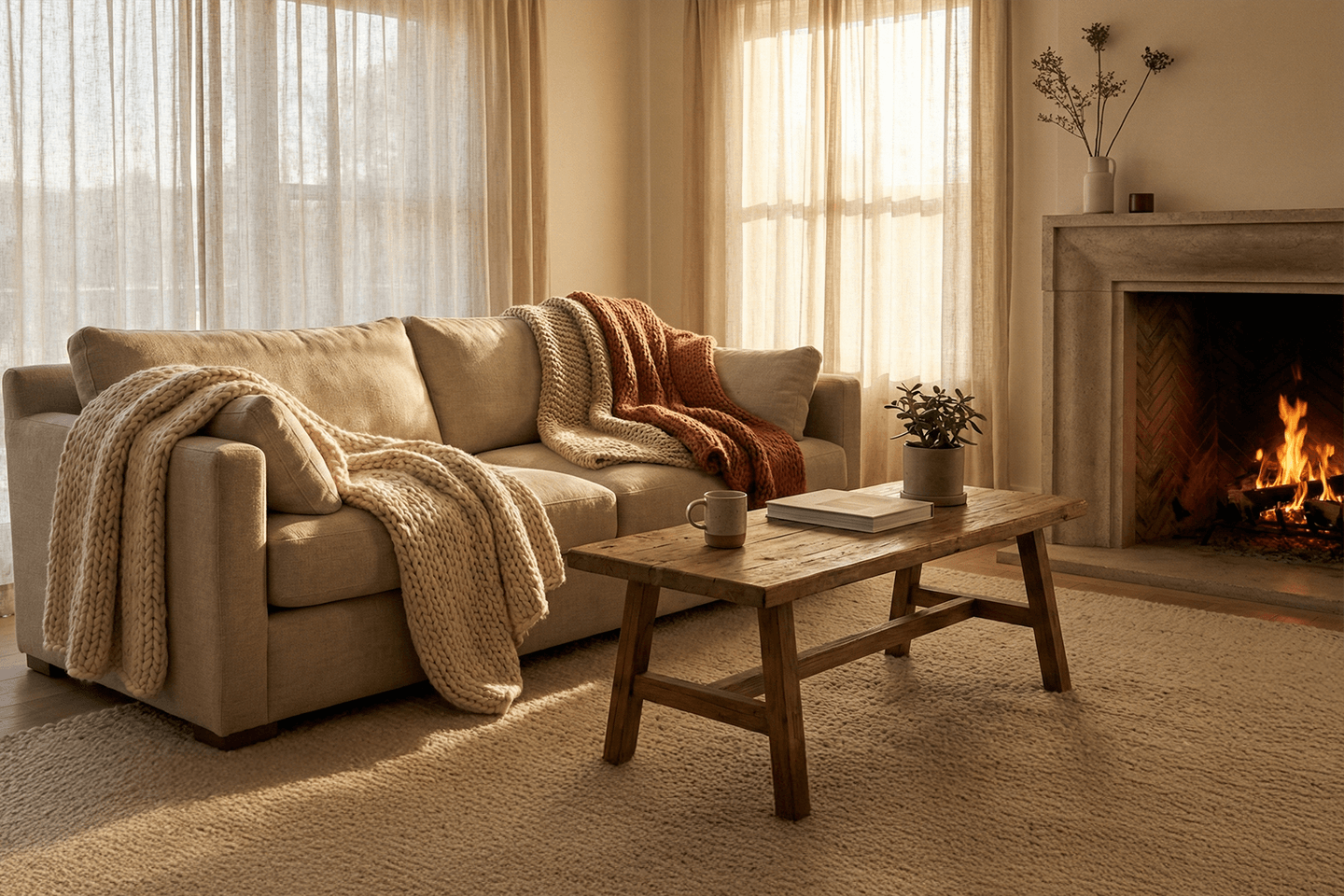
- Couches and armchairs: Crumbs, hair, and fine dust collect in seams and under cushions. Vacuum weekly using an upholstery attachment.
- Throws and pillows: Wash or tumble them on a no-heat cycle to shake out particles and refresh fabrics.
- Heavy curtains: These act like air filters, trapping dust every time you open and close them. Vacuum from top to bottom or launder if possible.
High-Touch and High-Traffic Zones
Doorknobs, banisters, remote controls, and light switches are handled constantly. Wiping these spots with a gentle cleaner not only reduces germs but also helps keep particles from moving around the home, supporting cozy season clean air throughout shared spaces.
Heating System and Vents
- Change or upgrade filters: Replace disposable filters every 1–3 months or as recommended. Consider higher-efficiency filters if someone at home has allergies.
- Vacuum vent covers: Gently vacuum or wipe vents and grilles to remove visible dust before the heating season ramps up.
Entry Zones
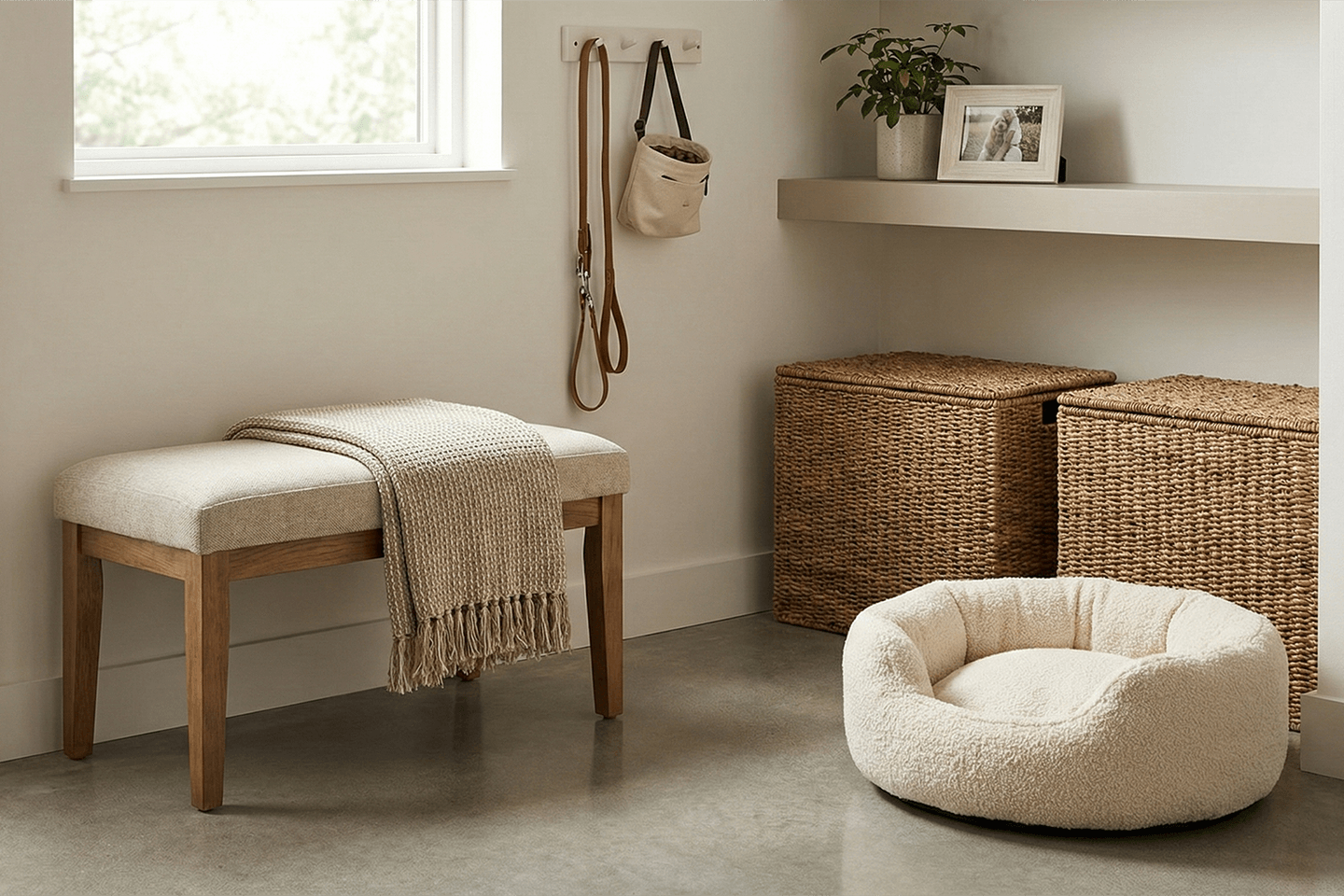
Shoes bring in dirt, pollen, and moisture that dry into dust. A strong entry routine—like mats inside and out and a place to store shoes—keeps contaminants from spreading and makes cozy season clean air easier to maintain in the rest of your home.
Room-by-Room Cozy Season Clean Air Checklist
Living Room
- Vacuum soft furniture: Go over the couch, chairs, and poufs, paying attention to creases and under cushions.
- Dust from top to bottom: Start with shelves and light fixtures, then work down to coffee tables and baseboards.
- Roll and shake rugs: If possible, take smaller rugs outside for a good shake before vacuuming to support cozy season clean air indoors.
Bedrooms
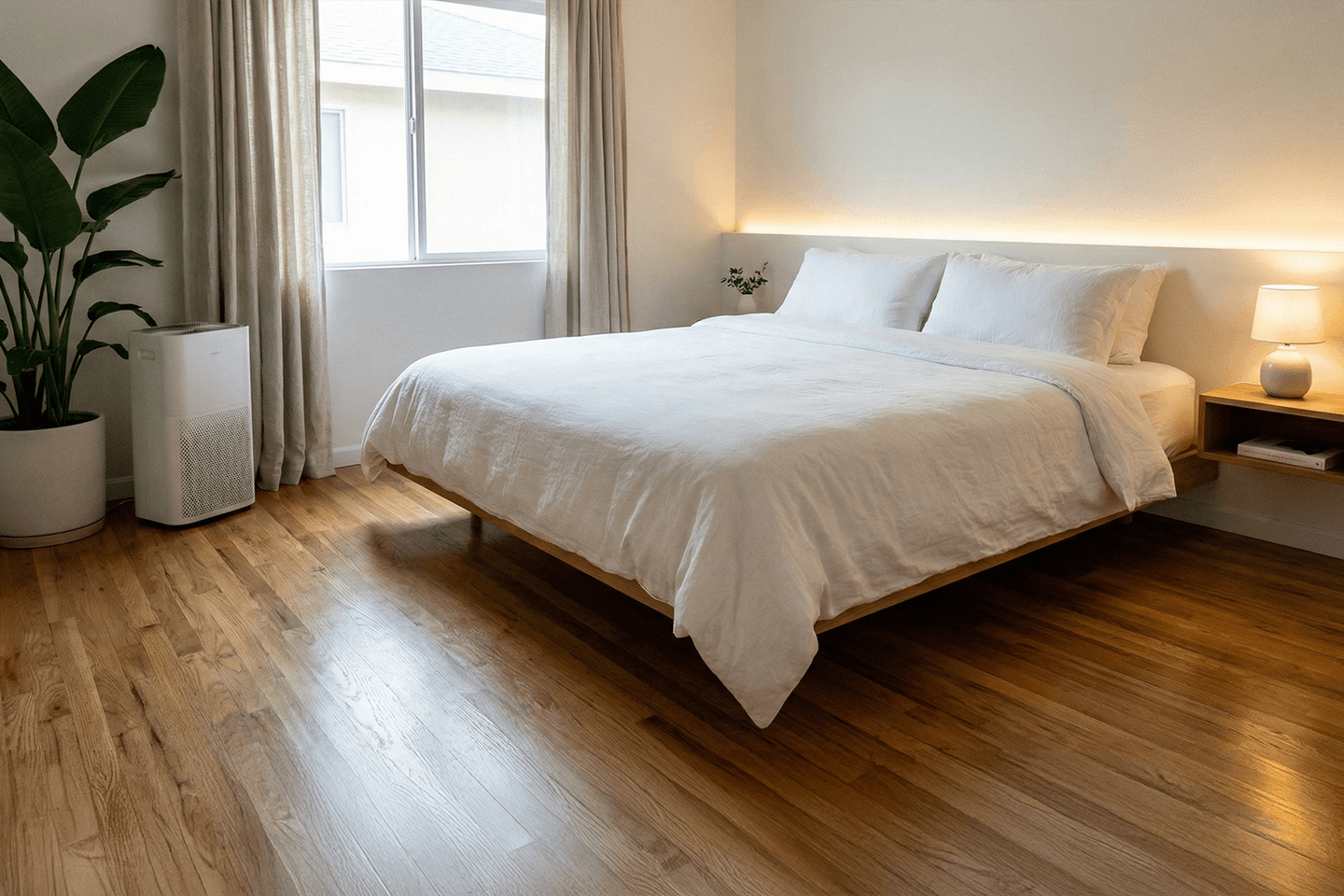
- Wash bedding weekly: Hot-water washes help remove dust mites and skin flakes that can irritate allergies.
- Reduce clutter under the bed: Clear storage and vacuum regularly to keep dust from building where you sleep.
- Refresh mattresses and pillows: Vacuum mattress surfaces and consider allergen-proof covers as part of your cozy season clean air routine.
Kitchen
- Clear and wipe counters: Crumbs and cooking residue turn into sticky dust. Keep surfaces simple and easy to clean.
- Clean range hood and filters: A clean hood removes smoke and particles more efficiently.
- Empty trash regularly: Sealed bins and frequent emptying help keep odors and airborne irritants down.
Bathrooms
- Run the fan: Use exhaust fans during and after showers to reduce moisture that can lead to mold.
- Wipe hard surfaces: Regularly clean sinks, counters, and shelves where dust and hair collect.
- Wash bathmats and towels: Damp textiles hold onto allergens; frequent washing supports cozy season clean air in small spaces.
Quick Habits to Maintain Cozy Season Clean Air
Daily Habits
- Shoe-off rule: Encourage family and guests to remove shoes at the door to protect your cozy season clean air efforts.
- Mini tidy-up: Spend 5–10 minutes putting items back where they belong so surfaces stay easy to wipe.
- Short air-out sessions: Open windows for a few minutes on mild days to let fresh air in and stale air out.
Weekly Habits
- Vacuum high-traffic floors: Focus on entries, hallways, and living spaces where dust is constantly stirred up.
- Dust key surfaces: Wipe shelves, nightstands, and TV consoles to prevent buildup from becoming airborne again.
- Review filters and vents: Check that filters are in good shape and vents are clean to keep cozy season clean air flowing efficiently.
When to Call the Pros
If you’re juggling work, family, and holiday prep, deep cleaning might feel impossible to manage. The good news, though, is that with a little help from Fresh Home Cleaning, you can schedule a one-time deep clean or set up recurring visits so your cozy season clean air routine starts with a truly fresh foundation.
Professional cleaners can focus on detailed dusting, baseboards, vents, and those forgotten corners that quietly affect indoor air quality. That way, your daily and weekly habits are easier to maintain, and your home stays calm, comfortable, and ready for long winter evenings.
Helpful answers
Frequently asked questions
How often should I dust and vacuum to keep indoor air cleaner in winter?
For most homes, dusting key surfaces and vacuuming high-traffic floors once a week is enough to support cleaner air. If you have pets or allergies, you may benefit from vacuuming soft furniture and rugs twice a week to reduce hair, dander, and fine dust before it becomes airborne.
Do air purifiers really help with dust and allergens?
Quality air purifiers with HEPA filters can trap fine particles such as dust, pollen, and pet dander. They work best as a partner to regular cleaning, not a replacement. Place them in spaces where you spend the most time, like the living room or bedroom, for noticeable results.
What kind of vacuum is best for allergy-prone households?
A vacuum with a sealed system and HEPA filtration is ideal for families with allergies or asthma. These models capture smaller particles instead of pushing them back into the air. Using the right attachments on upholstery, mattresses, and baseboards can further improve results.
Is it better to wash bedding in hot or cold water to reduce allergens?
Hot water is generally more effective at killing dust mites and removing body oils and skin flakes that build up in bedding. Check care labels first, but when possible, wash sheets and pillowcases in hot water and dry them thoroughly to lower allergen levels.
How can I tell if my home’s air quality is affecting my family?
Common signs include persistent stuffy noses, itchy eyes, headaches, or coughing that worsens indoors. If symptoms improve when you spend time outside the home, it may be a clue that dust, dander, or other indoor irritants are contributing, and that a more consistent cleaning and filter routine could help.
Make room for what matters
Ready for a fresher home?
Explore our cleaning services or tell our team what your home needs.