
Fresh ideas for your home
Winter Germ Hotspots in Your Home and How to Clean Them
Keep your home healthy this winter. Learn how to disinfect high-touch surfaces and protect your family from seasonal germs and illnesses.
Published · Updated
5 minutes of estimated reading time
With the winter chill keeping families indoors across the DMV area, the concern for seasonal colds and flu naturally rises as we share more space and air. The secret to keeping your household healthy during these months isn’t about scrubbing every inch of the floor daily, but knowing exactly how to disinfect high-touch surfaces where germs tend to congregate and spread between family members. While every home is different, focusing on these specific hotspots provides a significant layer of protection for your kids and vulnerable relatives during peak illness season.
Maintaining a sanitary living environment doesn’t have to be an overwhelming chore if you approach it with a clear strategy. By targeting the areas that see the most action, you can efficiently reduce the germ load in your home and spend more time enjoying the cozy season together. If you find yourself too busy to keep up with the extra sanitization needs of winter, booking professional home cleaning services is a wonderful way to give your family a fresh, healthy start.
Request a cleaning estimate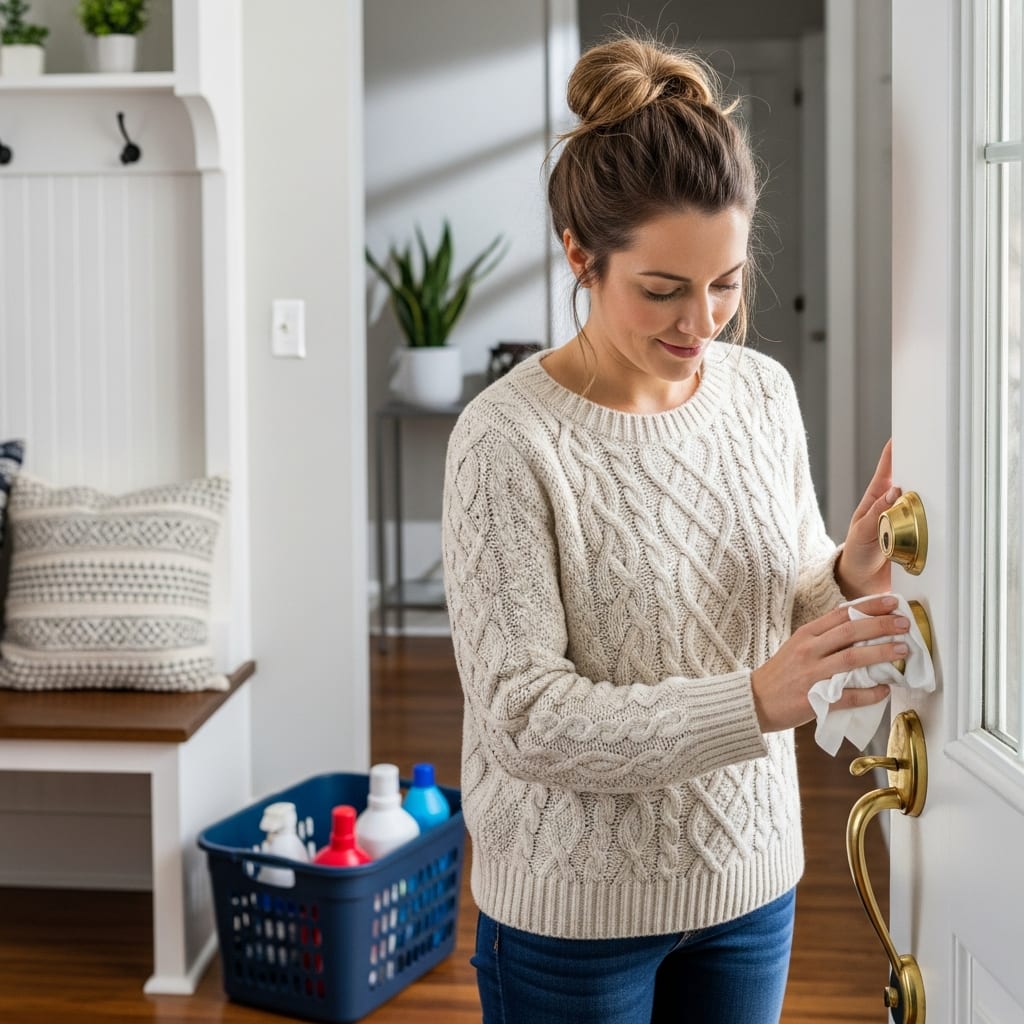
Common winter germ hotspots you might be missing
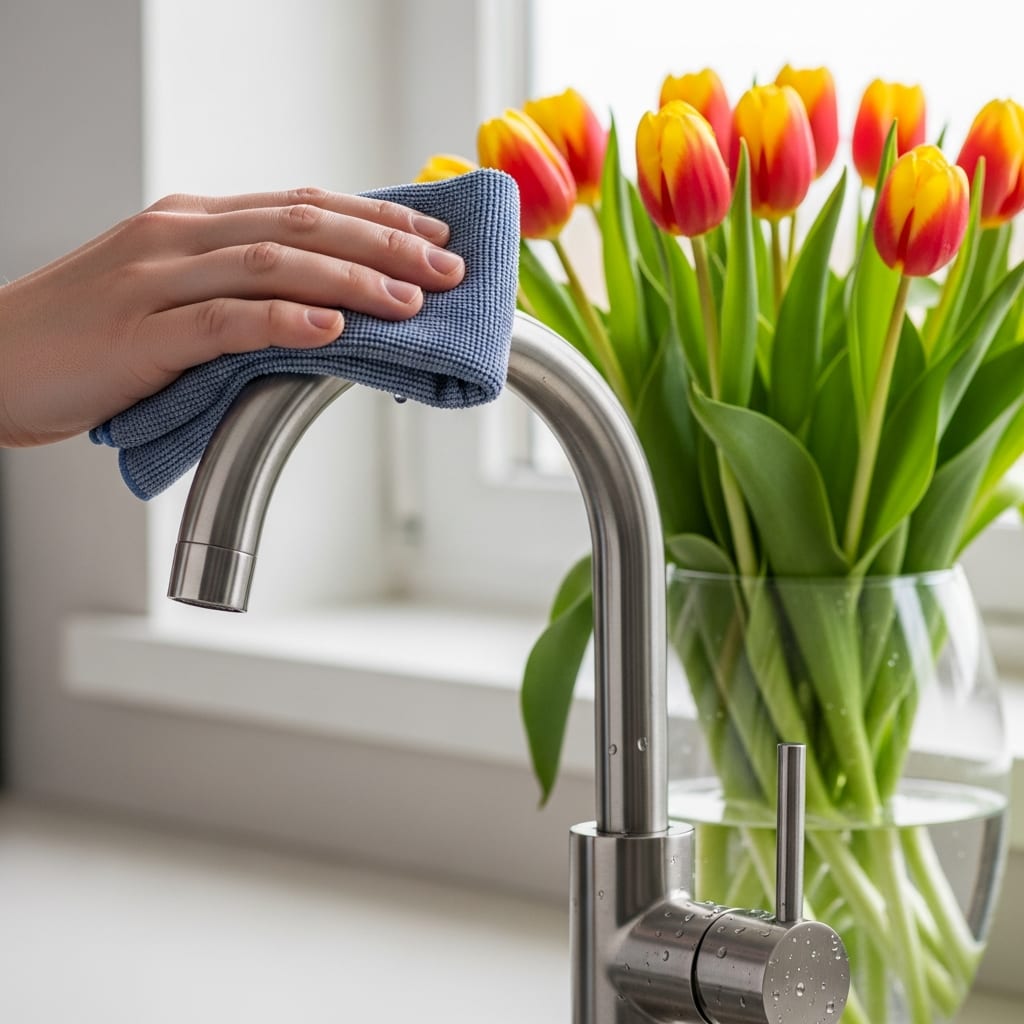
Now that we know why focusing on specific areas matters, let’s look at the most common culprits in your home. Many homeowners are surprised to learn that the kitchen sink and faucet handles often harbor more bacteria than a toilet seat. Because we use these areas to prep food and wash hands after coming home, they become magnets for environmental germs that thrive in the damp environment of a busy kitchen.
Doorknobs and cabinet pulls are the next major offenders in any suburban household. Think about how many times a day your children or spouse touch the pantry handle or the bathroom door. These surfaces are frequently touched but rarely cleaned as part of a standard tidying routine. In winter, when we stay indoors and windows remain closed, the concentration of germs on these specific hard surfaces increases significantly.
We must also look at our digital lives where remote controls and tablets are shared during family movie nights. These devices are rarely sanitized and are often held close to the face, making them a direct path for viruses to travel from person to person. Because they look clean to the naked eye, they are easily overlooked, yet they are among the most contaminated items in a modern family living room.
The right way to disinfect high-touch surfaces
Finding the spots is only half the battle; how you treat them determines if the germs actually stay away. It is important to understand the difference between cleaning and disinfecting. Cleaning involves using soap and water to physically remove dirt and debris from a surface. While this makes things look better, it does not necessarily kill the microscopic viruses that cause the flu or the common cold.
To truly disinfect high-touch surfaces, you must follow the instructions on your disinfectant label regarding “dwell time.” This is the amount of time the liquid must remain wet on the surface to effectively kill pathogens. A common mistake many busy parents make is spraying a handle and immediately wiping it dry. Most household disinfectants require three to ten minutes of contact time to perform their job correctly.
Using the right tools also prevents cross-contamination. We recommend using microfiber cloths that are changed frequently or disposable disinfecting wipes for the highest-traffic areas like the bathroom. If you use the same cloth to wipe the kitchen counter and then the doorknobs, you might be spreading germs instead of removing them. A fresh cloth for each zone ensures that your cleaning efforts are actually protecting your family’s health.
Sanitizing high-traffic areas without the overwhelm
You don’t need to spend all day cleaning to keep your family healthy. We recommend a simple “60-second walk-through” technique for daily maintenance during the winter months. Keep a container of disinfecting wipes near the center of your home and take one minute each evening to wipe down the most used handles and switches. This small habit prevents germ buildup without requiring a massive weekend deep clean.
Focus your energy on the “entryway zone” where outside germs first arrive. This includes the front doorknob, the mudroom bench, and the light switches near the entrance. By neutralizing germs at the point of entry, you reduce the chances of them migrating to the kitchen or bedrooms. This targeted approach is much more effective than trying to sanitize the entire house in one sitting when you are already exhausted from work.
Getting the whole family involved can also take the weight off your shoulders. Encourage older children to participate by wiping down their own tablets, gaming controllers, and school desks once a week. During peak flu season, prioritize cleaning the bathrooms and the kitchen over guest rooms or formal dining areas. Focusing on where the people are ensures that your efforts have the biggest impact on your household wellness.
NEED HELP? GET A FREE QUOTE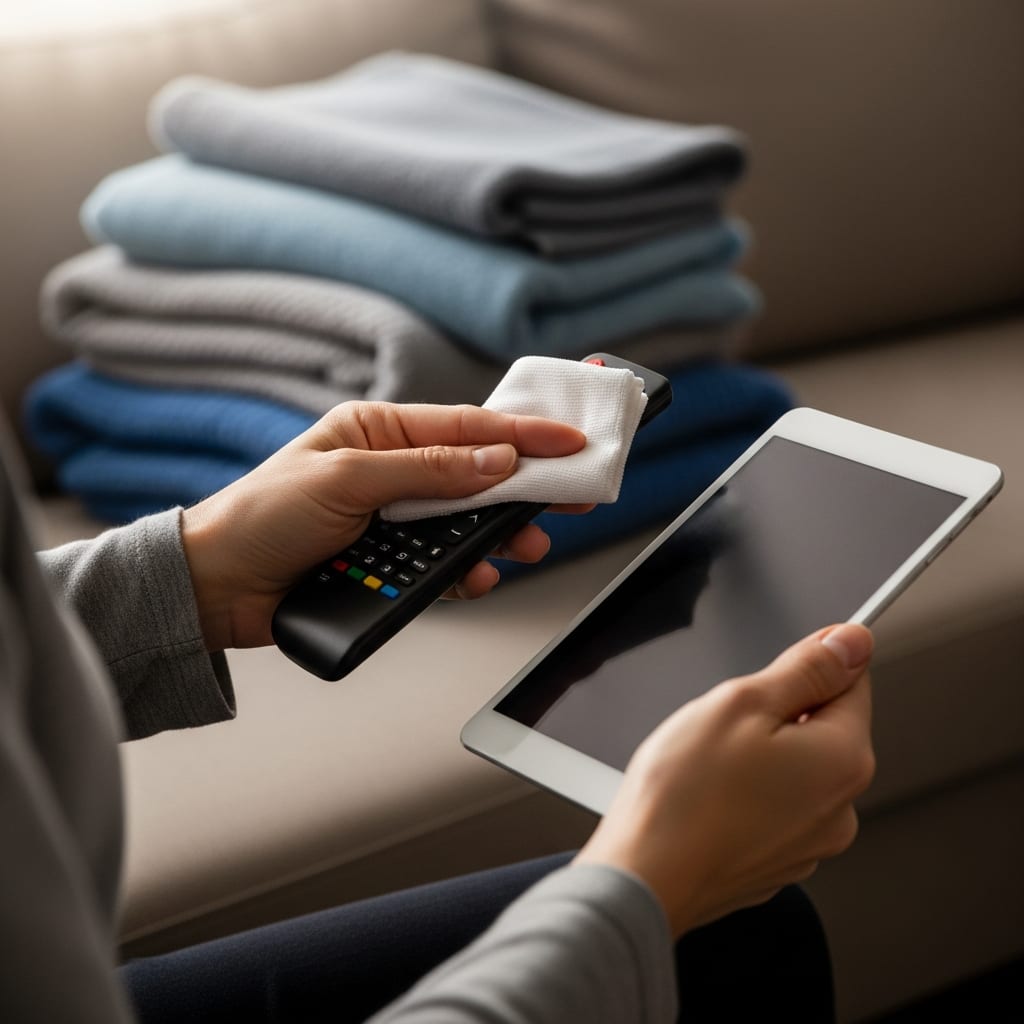
Managing soft surfaces where germs linger
While hard surfaces are easy to wipe, germs also love to hide in the cozy parts of your home. Throw pillows and blankets used on the couch are shared by everyone during winter, often becoming landing pads for sneezes and coughs. If your blankets are machine-washable, try to rotate them through the laundry every week or two to keep the living area hygienic and smelling fresh.
Children’s plush toys or “lovies” are another area where germs tend to linger. Since kids carry these items everywhere, they can pick up bacteria from the floor and then hold them against their faces while sleeping. Most stuffed animals can be placed in a mesh laundry bag and washed on a gentle cycle. For items that cannot be washed, a quick tumble in the dryer on high heat can help neutralize many common household germs.
For towels and bedding, especially after a family member has been under the weather, use the highest heat setting your fabric allows. High-heat laundry cycles are excellent for sanitizing fabrics that have been in close contact with someone who is sick. Additionally, remember to vacuum carpeted play areas frequently, as these soft fibers can trap dust and allergens that irritate the respiratory system during the winter.

Protecting your home health when a family member is sick
Sometimes, despite our best efforts, a cold enters the house. When this happens, implementing a “sick room” protocol is the best way to contain the illness. Focus your disinfection efforts on the high-touch surfaces in the specific room where the ill family member is resting. This includes their bedside table, the lamp switch, and the interior door handle to prevent the virus from traveling to the rest of the house.
In the bathroom, the importance of separate hand towels cannot be overstated. When someone is sick, they should have a dedicated towel that no one else uses to prevent the transfer of germs through moisture. Increasing the frequency of disinfecting common handles and light switches to twice daily during an active illness can drastically reduce the chances of the virus jumping to another sibling or parent.
Do not forget the small details like toothbrushes. Germs can live on bristles for several days, so it is a good idea to either sanitize the toothbrush head in boiling water or simply replace it once the family member has recovered. Being proactive during these stressful sick days helps you regain control of your home environment and ensures that the illness does not make a second round through your family.
Establishing a simple winter wellness cleaning routine
Prevention is always easier than cure when it comes to a clean home environment. Beyond just wiping surfaces, a quick five-minute air exchange can do wonders for your indoor health. Even in cold weather, opening a few windows on opposite sides of the house for just a few minutes allows stale, germ-laden air to escape and fresh air to circulate, which naturally improves the atmosphere of your home.
There is also a significant psychological benefit to a sanitized home during the dark winter months. When your living spaces feel clean and are free from the worry of lingering germs, you can truly relax and enjoy your time indoors. Consistency is much more important than perfection; doing a small amount of targeted cleaning each day is far more effective for health than a massive cleaning spree once a month.
Expert advice from our team is simple: a clean home is a healthier home for everyone you love. By focusing on the high-traffic zones and using the right disinfection techniques, you are creating a sanctuary for your family. If you ever feel like the seasonal cleaning is becoming too much to handle, remember that professional home cleaning services are always available to help you maintain that high standard of hygiene and comfort.
Need help? Fresh Home Cleaning has you covered this winter
We know how stressful it can be for local families to balance a busy schedule with the extra demands of flu and cold season. At Fresh Home Cleaning, we treat your home with the same care and attention to detail as our own. Our experienced team is ready to step in and handle the deep cleaning tasks that keep your living environment safe and sanitary throughout the winter months.
Whether you need a one-time deep disinfection to reset your home or regular weekly maintenance to stay ahead of the germs, we offer flexible services tailored to your family’s needs. We specialize in comprehensive seasonal cleaning that targets those tricky hotspots, from kitchen faucets to forgotten doorknobs, ensuring every corner of your Montgomery County or Northern Virginia home is truly refreshed.
Contact our team today at (301) 519-8035 or visit our website to request a free quote. Let us take the stress out of winter home disinfection, so you can enjoy more of those precious cozy moments with your family!
Request a cleaning estimateHelpful answers
Frequently asked questions
How can I tell if a disinfectant is actually killing winter viruses?
To ensure you are effectively killing pathogens, look for an EPA registration number on the product label. This indicates the solution has been tested against specific viruses and bacteria. Many homeowners assume any multi-surface cleaner works, but only registered disinfectants are proven to neutralize flu and cold germs. Always check the back of the bottle for the specific list of germs it targets. If you prefer a more natural approach, some botanical disinfectants are available, though they often require longer contact times to be fully effective compared to traditional synthetic options.
How often should I sanitize common areas if no one is currently sick?
In a busy household with school-aged children, sanitizing frequently handled items once or twice a week is typically sufficient for maintenance. However, this frequency should increase if you have frequent guests or if community transmission of seasonal illnesses is high in the local area. Focusing on a quick daily wipe of the primary entry points, like the front door and mudroom, helps prevent external germs from spreading. Consistency is more important than intensity, as regular light disinfection prevents the heavy buildup of bacteria that can lead to household-wide outbreaks.
What is the most common mistake parents make when sanitizing electronic devices?
The most frequent error is applying liquid disinfectant directly onto the screens or buttons of remotes and tablets. This moisture can seep into the internal components and damage the device permanently. Instead, you should lightly dampen a microfiber cloth with a solution of at least 70% isopropyl alcohol and wipe the surface gently. Never use bleach or abrasive cleaners on screens, as these can strip away protective coatings. Ensuring the device is powered off before you begin is a simple safety step that many busy families often overlook.
Can I reuse the same disinfecting wipe for multiple high-traffic surfaces?
Reusing a single wipe across different areas is a common mistake that often leads to cross-contamination. A wipe only contains a certain amount of disinfectant; once it starts to feel dry, it is no longer leaving enough liquid on the surface to meet the required dwell time. Using the same wipe on a bathroom handle and then a kitchen counter can actually move germs from one room to another. It is generally best to use a fresh wipe for each distinct zone or switch to frequently laundered microfiber cloths for a more effective approach.
When should I consider a professional deep clean to reset my home hygiene?
A professional cleaning service is especially beneficial after a multi-person illness has passed through the house or at the start of the peak winter season. While daily maintenance handles visible spots, professionals have the experience to reach neglected areas like baseboards, high shelving, and deep upholstery where dust and germs accumulate. If your family is prone to seasonal allergies or respiratory issues, a deep reset provides a sanitary foundation that is much easier for you to maintain through simple daily habits. This helps ensure your living environment remains truly healthy for everyone.
Make room for what matters
Ready for a fresher home?
Explore our cleaning services or tell our team what your home needs.