
Fresh ideas for your home
How to Get Rid of Winter Odors and Make Your Home Smell Fresh Again
Learn how to get rid of winter odors in the house using simple steps to refresh carpets and air for a healthier home for your busy family.
Published · Updated
6 minutes of estimated reading time
After months of keeping windows tightly shut against the Maryland and Virginia chill, it is common for your home to take on a certain closed-up personality. This stuffy atmosphere happens because heating systems recirculate the same air while fabrics absorb cooking smells, pet dander, and trapped moisture. Learning how to get rid of winter odors in the house often starts with a two-pronged approach: moving the stagnant air out and refreshing the soft surfaces that act as scent magnets. By acting now, you can transform that heavy winter feeling into a crisp, inviting environment for your family.
Maintaining a fresh home is not just about aesthetics; it is a vital part of creating a healthy living space for your children and pets. When odors linger, it is often a sign of trapped dust or pollutants that can affect indoor air quality. If the task of deep cleaning every textile and hidden corner feels like too much for your busy schedule, you can always contact our team to help restore that signature fresh feeling to your living space.
Request a cleaning estimate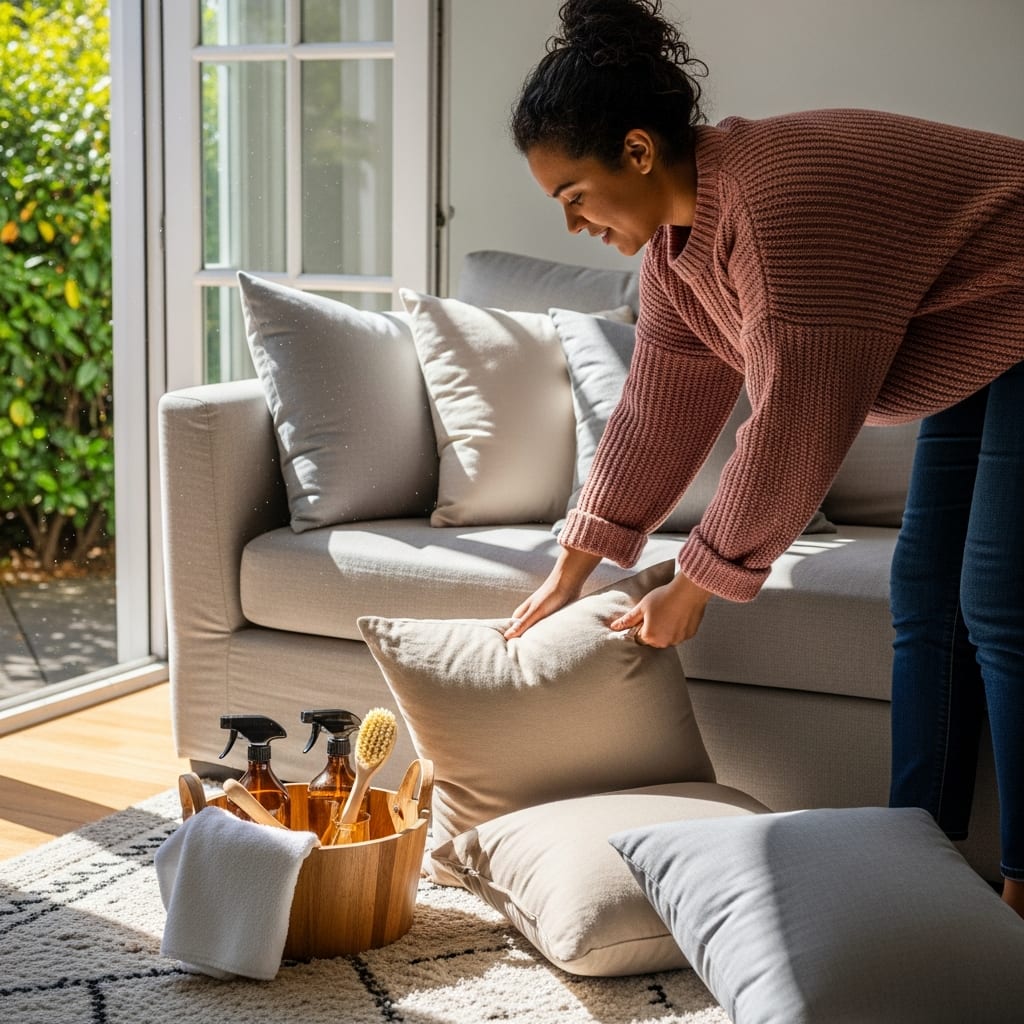
Start by flushing out stale air and refreshing soft surfaces
Now that we have identified why the air feels heavy, let’s look at the quickest ways to move it out. Even when it is still chilly in Montgomery County, a quick ten-minute burst of cross-ventilation can work wonders for your indoor atmosphere. By opening windows on opposite sides of the house, you create a natural draft that pushes out stagnant air and invites in oxygen. This simple step is the foundation of how to get rid of winter odors in the house before moving on to deeper treatments.
Soft surfaces like curtains, throw pillows, and blankets are notorious for trapping odors during the colder months. Because we spend more time indoors, these fabrics absorb everything from evening meals to pet scents. We recommend tossing your pillow covers and lightweight curtains into the wash on a gentle cycle. Refreshing these textiles immediately lightens the “scent load” of a room and makes the entire space feel much newer and cleaner.
For larger items like sofas and upholstered chairs that cannot go in the washing machine, baking soda is your best friend. Simply sprinkle a light layer over the fabric, let it sit for about fifteen minutes to absorb trapped molecules, and then vacuum it up thoroughly. This quick fix is safe for families and highly effective at neutralizing smells without introducing harsh chemicals into your living room environment.
Deep clean carpets and rugs to eliminate trapped smells
While the air is moving, the biggest culprits of winter stuffiness are likely right under your feet. Carpets and area rugs act as giant filters for the home, catching pet dander, dust mites, and even trace amounts of moisture from snowy boots. Over time, these particles settle deep into the fibers, creating a musty base note that no amount of air freshener can truly cover up.
During the transition from winter to spring, pay extra attention to high-traffic areas like entryways and mudrooms. This is where winter salt, mud, and street grime have likely settled into the rug piles. A powerful vacuum with a HEPA filter is essential for removing the dry debris, but a professional steam cleaning can be more effective for removing the oily residues that hold onto persistent smells.
If you prefer a DIY approach, consider using a dry powder carpet deodorizer that you can brush into the fibers and vacuum away. The key is to ensure the carpet remains dry throughout the process. Moisture is the enemy of a fresh-smelling home, so if you do use a liquid cleaner, make sure to use fans to speed up the drying time and prevent a damp, sour smell from developing.
Clean the hidden winter hotspots in your kitchen and bathroom
Beyond the living room fabrics, two specific rooms often hold onto winter scents more than others due to the heat and humidity. In the kitchen, your garbage disposal can become a source of unpleasantness as food particles break down in the warmer indoor pipes. A quick and natural way to sanitize the unit is to drop in a few citrus peels and run the disposal with cold water for a refreshing burst of scent.
Another hidden spot is the dishwasher filter, which many homeowners forget to check during their weekly routines. Over the winter, small bits of food can get trapped in the mesh, leading to a swampy smell every time you open the door. Taking five minutes to rinse the filter under hot, soapy water can eliminate this odor at the source and improve the efficiency of your appliance at the same time.
In the bathroom, the combination of steam from hot showers and closed doors can lead to moisture buildup in the drains. This often results in a faint, musty scent that lingers even after the room looks clean. Pouring a cup of white vinegar followed by hot water down the drains helps break down soap scum and biological buildup. These small, targeted actions ensure that every corner of your home feels as fresh as the common areas.
NEED HELP? GET A FREE QUOTE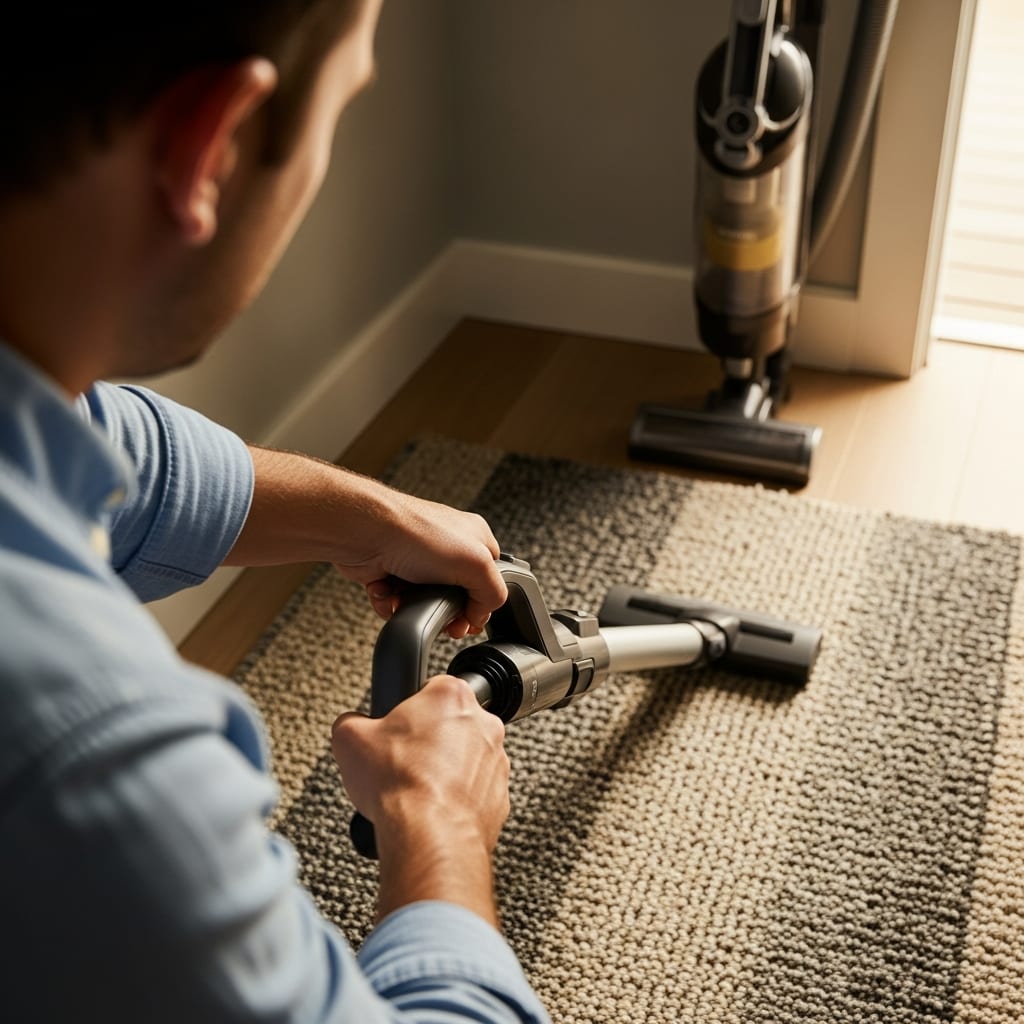
Replace your HVAC filters to improve winter air quality
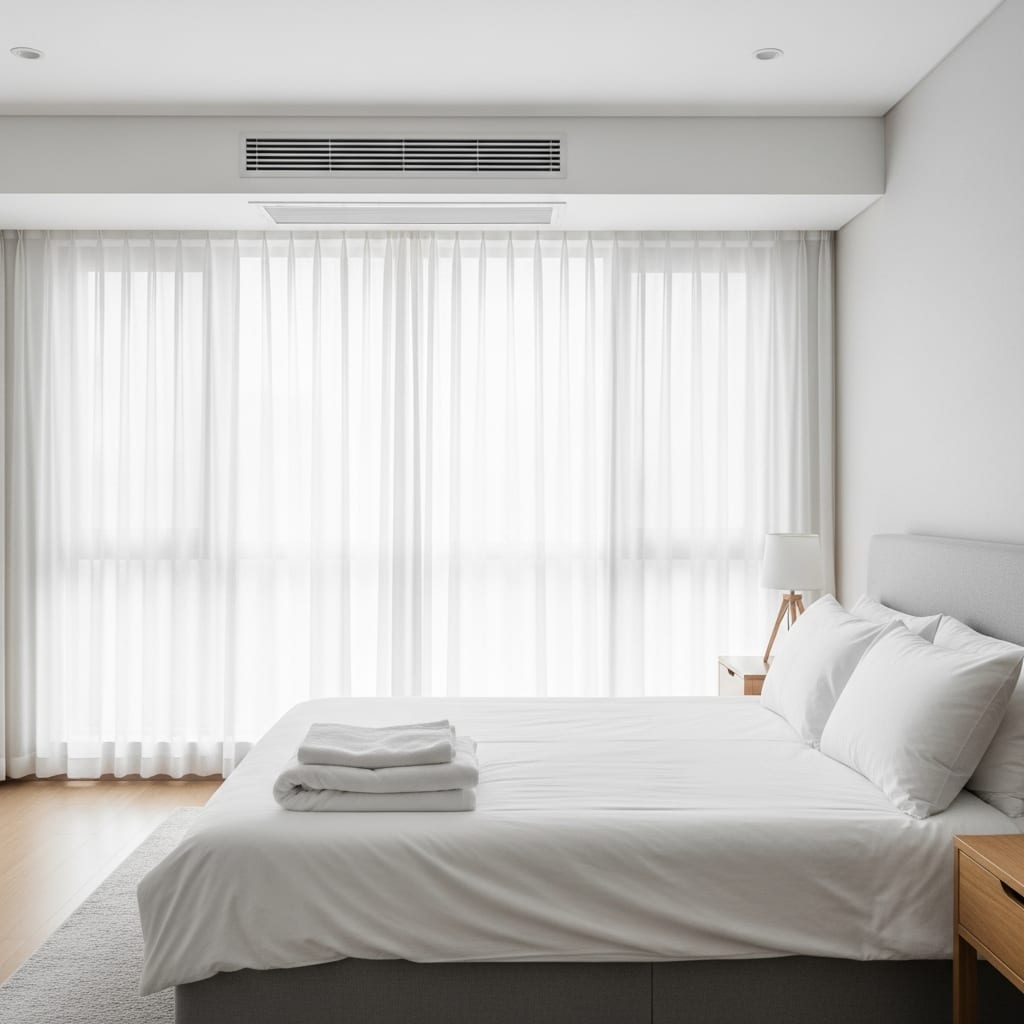
Sometimes the smell isn’t in the room itself, but in the air being circulated through your vents. Your HVAC system acts as the “lungs” of your home, and during the winter, it works overtime to keep your family warm. If the filter is dirty, it essentially redistributes dust, allergens, and old odors throughout every floor. Replacing your filter at the end of the season is one of the most effective ways to improve overall air quality.
For families dealing with allergies or respiratory sensitivities, upgrading to a HEPA-rated filter can make a significant difference. These filters are designed to catch much smaller particles that standard filters might miss. When the air passing through your vents is clean, the entire house begins to smell more neutral and fresh. It is a simple maintenance task that pays off in both comfort and health.
While you are at the furnace, take a moment to look at your vent covers around the house. Dust often accumulates on the grates, especially in rooms that aren’t used as frequently. Use a vacuum attachment to clear away these dust bunnies so they don’t blow back into the room when the system kicks on. Keeping the pathways clear ensures that your air stays fresh from the source to the living spaces.
Use natural deodorizers for a lasting fresh scent
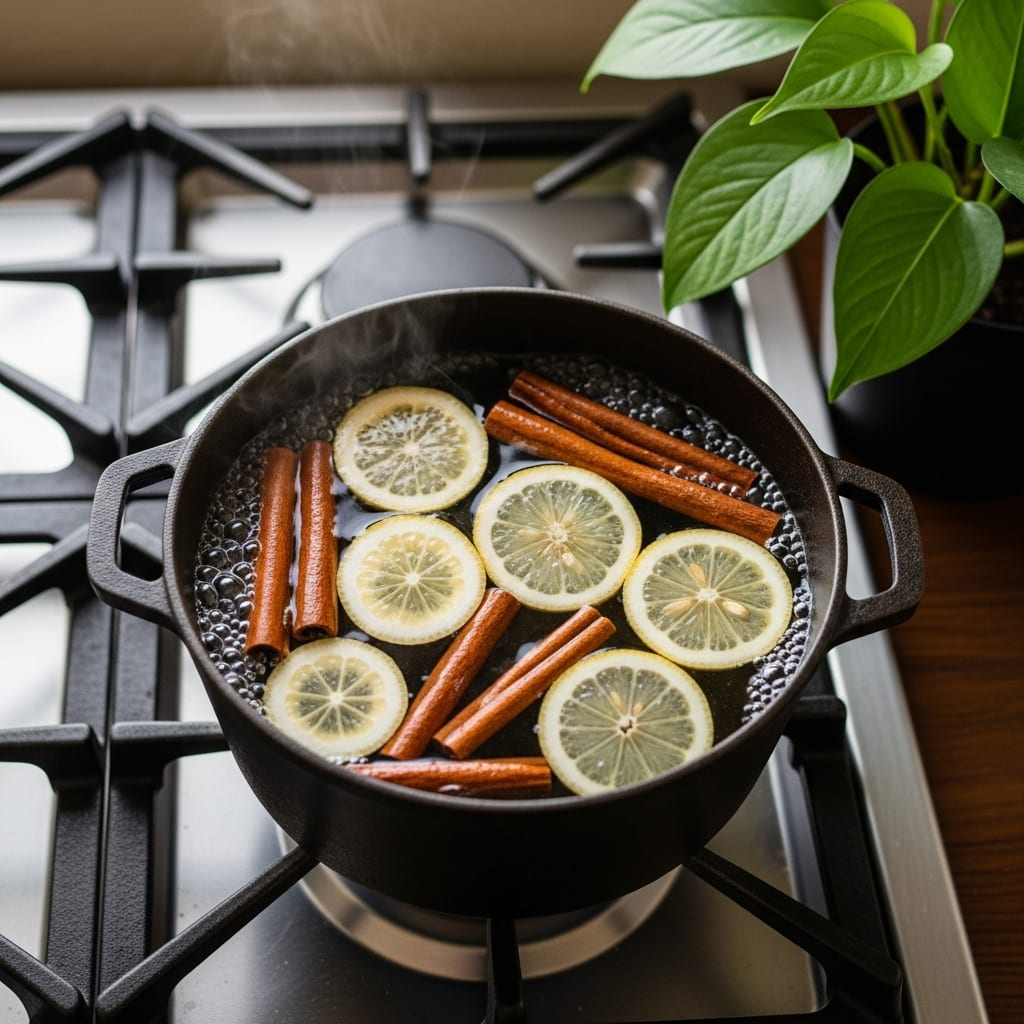
Now that we have removed the bad smells, let’s introduce some fresh ones that are safe for your family and pets. Many commercial air fresheners rely on heavy synthetic fragrances that only mask odors temporarily. Instead, consider making a stovetop potpourri by simmering a pot of water with cinnamon sticks, rosemary sprigs, and lemon slices. This fills the house with a warm, clean aroma that feels natural and inviting.
If you are dealing with a particularly stubborn smell, such as burnt food or pet accidents, white vinegar is an incredible neutralizer. Placing a small bowl of vinegar in the affected room overnight can pull odors out of the air. By morning, the vinegar scent will have dissipated, taking the unwanted smells along with it. It is a cost-effective and non-toxic solution that every household should have in their cleaning kit.
Essential oil diffusers are another great alternative to scented candles, which can sometimes release soot or strong chemicals. Using oils like eucalyptus, peppermint, or lavender can provide a subtle scent that promotes a sense of well-being. This approach allows you to customize the atmosphere of your home while keeping the air clean and healthy for everyone who lives there.
Establish a simple routine to prevent musty smells next season
Getting your home fresh is a big win, but keeping it that way throughout the year is even better for your peace of mind. Establishing a simple weekly routine can prevent that “stale” feeling from returning. We recommend a ten-minute air-out session once a week, even in cold weather, to keep the oxygen levels high and the moisture levels low inside your suburban home.
Pet owners should also prioritize washing pet bedding once a week or every other week. Since our furry friends spend more time inside during the winter, their beds can quickly become a primary source of home odors. Regular washing prevents those oils and scents from migrating into your carpets and furniture. It is a small habit that makes a massive difference in the long-term freshness of your living environment.
At Fresh Home Cleaning, we believe that a healthy home is the foundation of a happy community. By taking these small, manageable steps, you are doing more than just cleaning; you are creating a sanctuary for your family to thrive in. Remember that consistency is key, and taking care of these details now will make your eventual spring cleaning much easier and more enjoyable.
Freshen up your home with Fresh Home Cleaning
We know how busy life can get for families in the DC metro area, and sometimes finding the time for a deep odor-eliminating clean is difficult. Whether you are dealing with the aftermath of a long winter or just want a fresh start for the new season, our experienced team is here to help. We take pride in treating every house with the care and attention to detail that only a family-owned business with fifteen years of experience can provide.
Our seasonal cleaning services are designed to tackle the areas where odors hide, from deep carpet cleaning to sanitizing those hard-to-reach kitchen and bathroom hotspots. We focus on creating a healthier environment for your children and pets by using effective techniques that leave your home smelling naturally clean. Let us handle the heavy lifting while you focus on enjoying your beautifully refreshed space.
Contact our team today at (301) 519-8035 or visit our website to request a free quote. Let us take the stress out of eliminating winter odors, so you can enjoy more of the fresh spring transition with your family!
Request a cleaning estimateHelpful answers
Frequently asked questions
Why do certain rooms still smell stuffy even after I open the windows?
Lingering smells often persist because odor molecules are physically trapped within porous materials like drywall, lampshades, or even books, rather than just floating in the air. While ventilation is a great first step, it only addresses the current air volume. For a truly fresh result, you must neutralize the sources embedded in your home’s soft infrastructure. If a room remains stubbornly musty despite your efforts, a deep professional cleaning can help reach the microscopic particles that standard household tools might miss in a busy family environment.
Are natural deodorizers safe to use around small children and pets?
Generally, natural solutions like white vinegar, baking soda, and stovetop simmers are much safer than synthetic aerosol sprays which often contain volatile organic compounds. However, when using essential oils, it is important to research which scents are pet-friendly, as some can be irritating to cats or dogs. For families with infants or sensitive respiratory systems, focus on neutralizing rather than scenting. Using high-quality HEPA filtration and scheduled surface cleaning often provides the most consistent and healthiest results for the entire household throughout the year.
How often should I deep clean my carpets to prevent odors from returning?
In high-traffic suburban homes, especially those with pets and children, a professional deep clean every six to twelve months is typically recommended to manage indoor air quality. During the winter, salt, moisture, and dander accumulate deep within the fibers, creating a reservoir for smells that indoor heating can exacerbate. Between professional visits, vacuuming twice a week with a sealed system and addressing spills immediately will help keep those persistent winter smells from becoming permanent fixtures in your rugs and living room upholstery.
What is the most common mistake homeowners make when trying to freshen their air?
The most frequent error is trying to mask odors with heavy perfumes or candles instead of removing the source of the smell. This often creates a cloying, perfumed-musty scent that can be even more unpleasant for the family. Another common oversight is neglecting the humidity levels; trapped moisture behind furniture or in closets can cause odors to regenerate quickly. Focusing on dry, clean surfaces and proper airflow is usually more effective than any store-bought air freshener. If scents persist, it is likely time for a professional.
How can I tell if a lingering odor is just stale air or something more serious?
Stale winter air usually dissipates after a few hours of proper ventilation and surface cleaning. If a smell is localized to one corner, feels damp, or has a sharp, earthy quality that persists regardless of airflow, it may indicate a moisture issue or trapped organic matter. Checking behind large furniture pieces or inspecting window sills for condensation can help you identify if the issue is environmental. For persistent, unidentifiable scents that do not respond to DIY methods, professional cleaners can provide the intensive treatment needed to reset your home’s atmosphere.
Make room for what matters
Ready for a fresher home?
Explore our cleaning services or tell our team what your home needs.